Molded Qingbai 'Flowers' Dish, Southern Song Dynasty
Molded Qingbai 'Flowers' Dish, Southern Song Dynasty
Couldn't load pickup availability
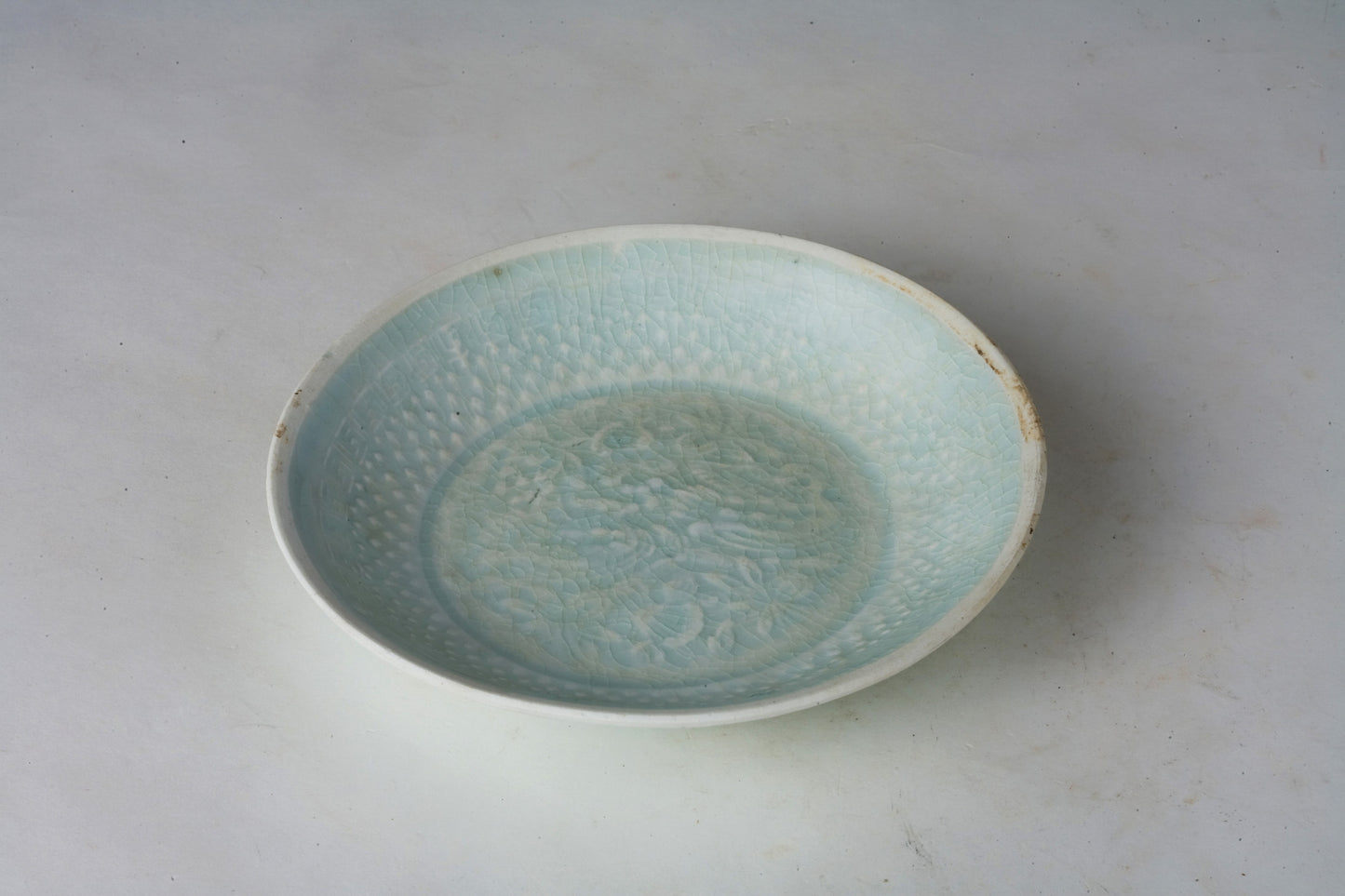
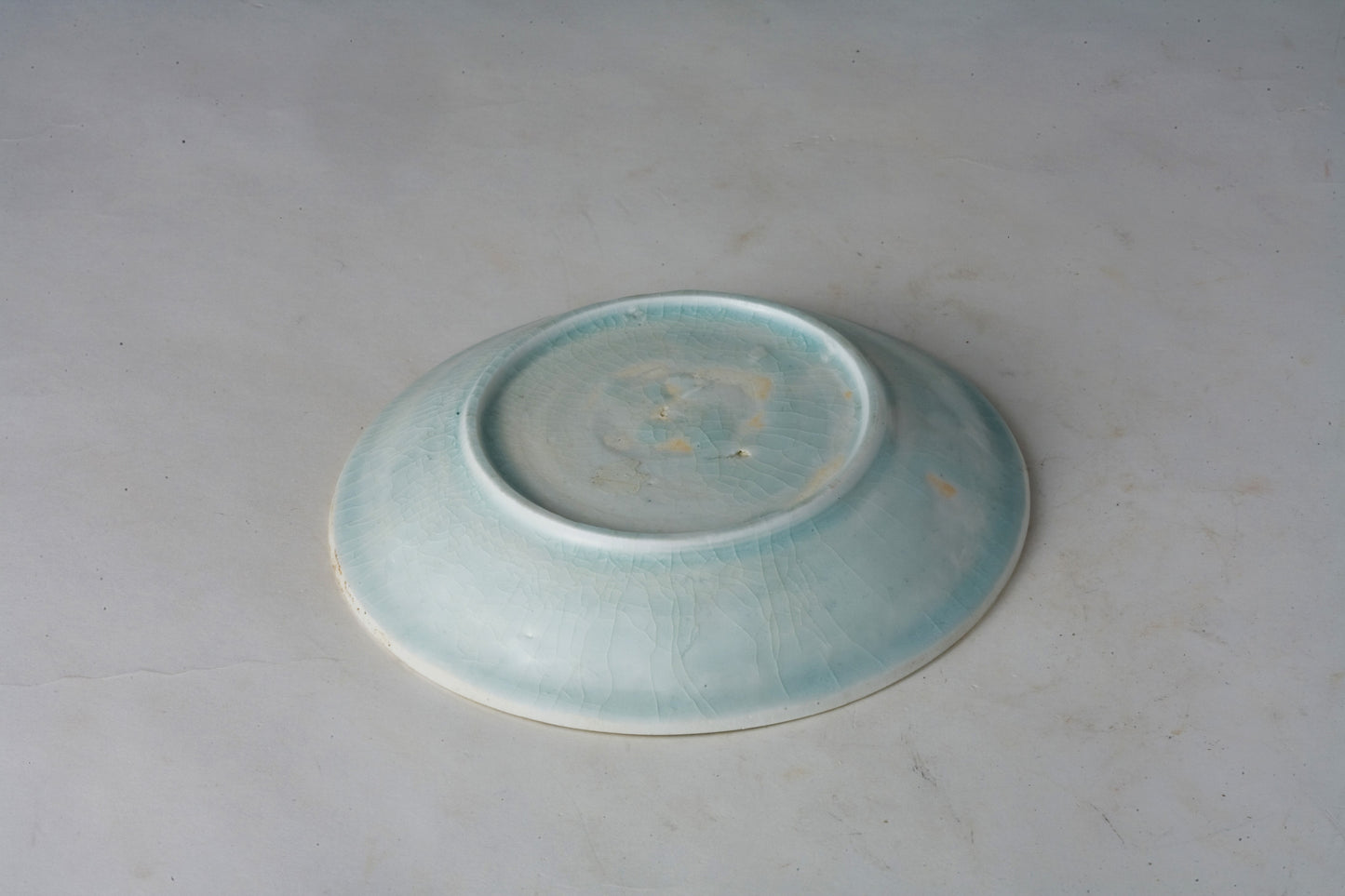
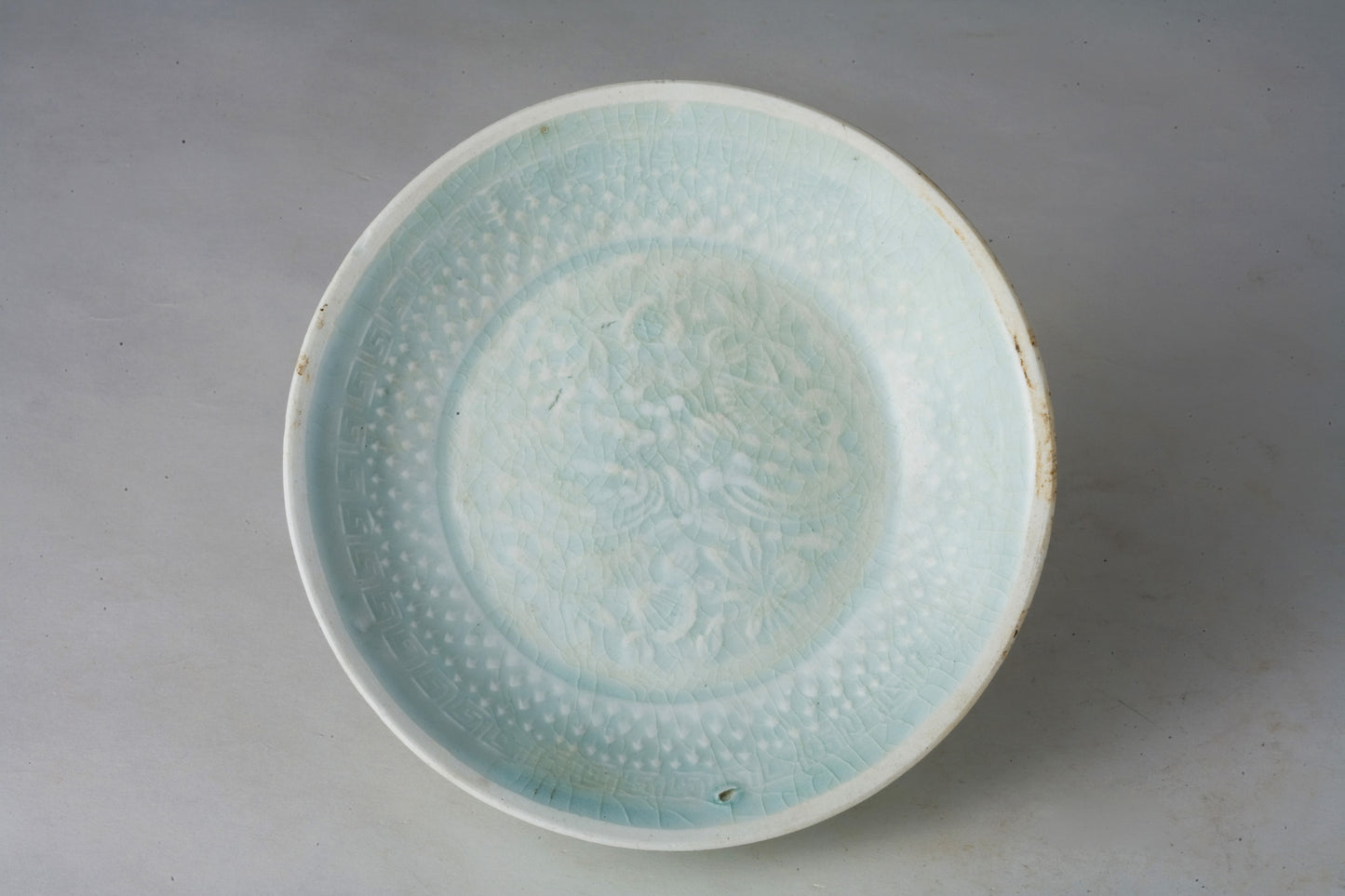
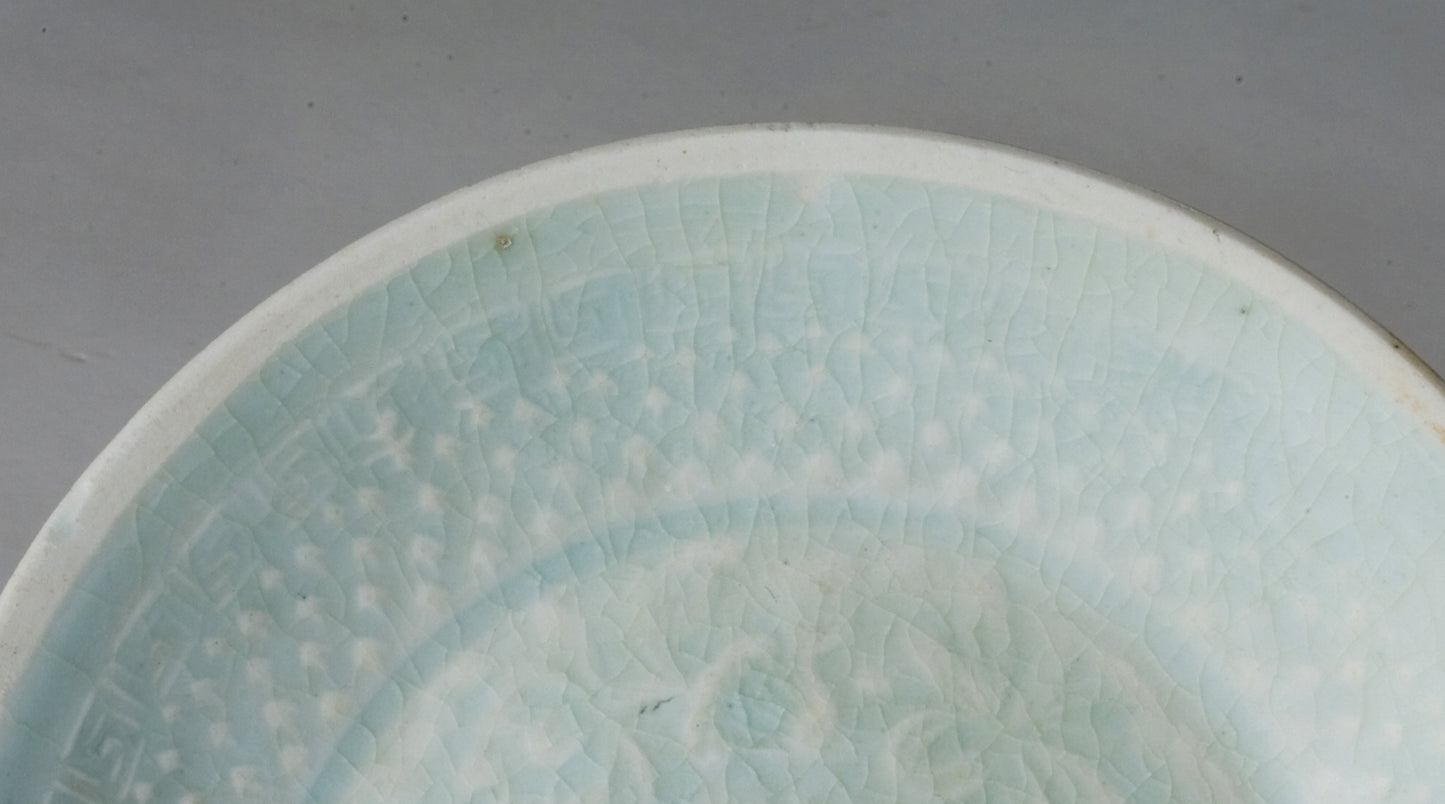
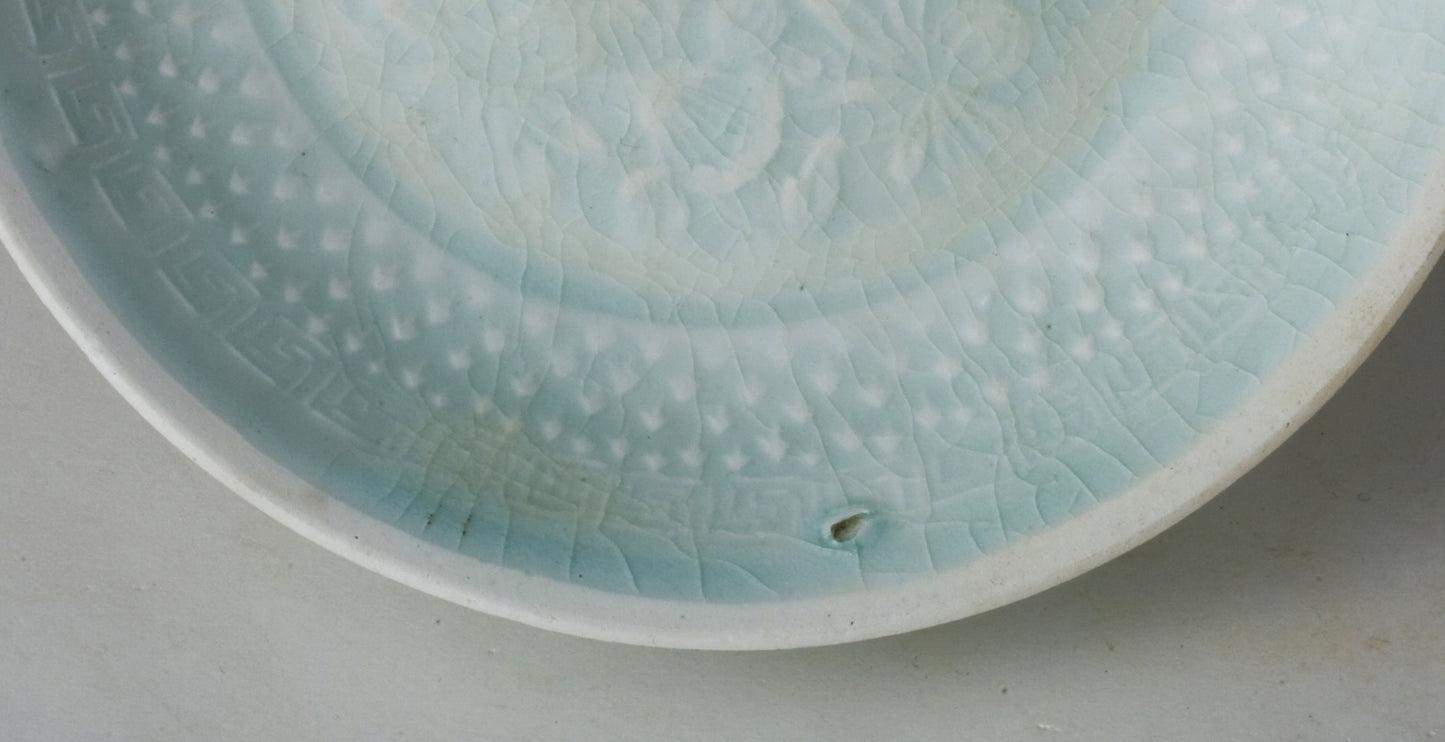
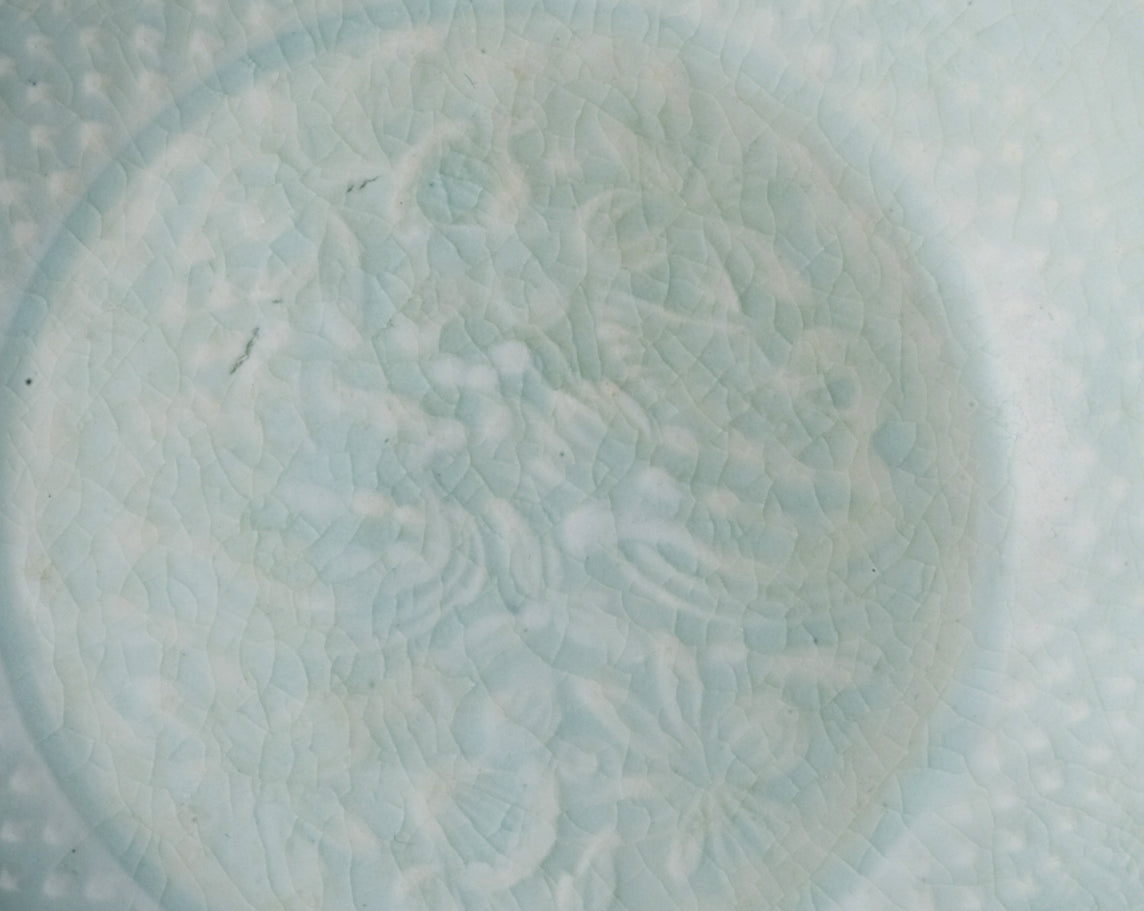
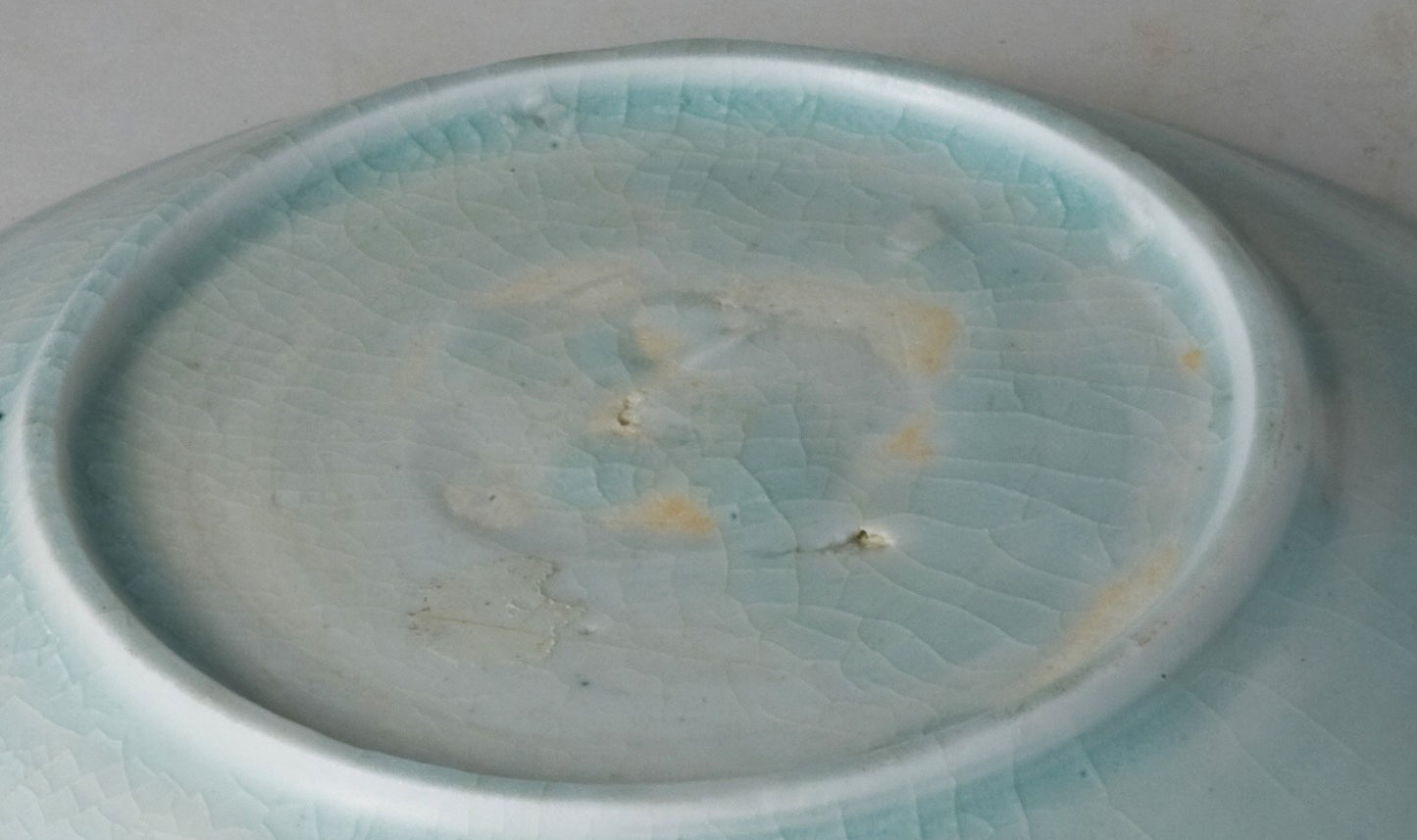
This dish is coated with a transparent bluish-white glaze over a thin white body. The center is incised with a design of lotus flowers and a bird, while the inner wall is encircled by a lattice pattern. The glaze exhibits a clear, jade-like bluish tone with fine natural crackles across the surface. The low foot exposes the clay body, showing areas of pale reddish traces.
Period : Southern Song-Yuan Dynasty(12th-14th century)
Type : Dish
Medium : Qingbai
Size : 3 cm(Height), 15.5cm(Diameter)
Condition : Good
Provenance : Acquired in 1999 from Hongkong
Reference : Christies Newyork 7–24 JUL 2020 - Chinese Ceramics and Works of Art - Lot54
(Price realised : 11,250 USD / Type : Closely related)
https://onlineonly.christies.com/s/chinese-ceramics-works-art/molded-qingbai-lotus-pond-dish-54/90516
* Qingbai Ware
Qingbai ware refers to a refined type of porcelain produced mainly during the Northern and Southern Song dynasties (10th–13th centuries), centered at Jingdezhen (景德鎭) and nearby kilns in Jiangxi province. It is characterized by a white, compact porcelain body covered with a transparent glaze of pale bluish tone, which gives the ware its distinctive “bluish-white” appearance—hence the name Qingbai (literally “blue-white”).
The glaze, produced under a reduction firing atmosphere, contains a small amount of iron oxide that turns a subtle bluish or greenish hue when fully reduced at high temperature (around 1250–1300°C). The resulting color is clear and translucent, often compared to polished jade (玉質) for its purity and soft luster.
Decoration was typically achieved through molded or incised designs, most commonly lotus flowers, phoenixes, birds, peonies, or scrolling foliage, rendered beneath the glaze. These motifs appear faintly through the transparent glaze, producing an elegant and understated visual effect.
The footring is usually unglazed, revealing the fine white body with traces of reddish oxidation from firing supports. Over time, genuine Qingbai pieces may develop fine natural crackles (crazing) or slight iridescence due to long-term burial and glaze weathering — features often referenced in authenticity assessments.
Qingbai ware represents one of the earliest fully vitrified porcelains of China and is admired for its clarity, lightness, and quiet sophistication, standing as a direct precursor to later white porcelain (白瓷) and blue-and-white ware (青花瓷) traditions of the Yuan and Ming dynasties.